
Power Only Dispatching
Power only dispatch that looks beyond the trailer pickup. We clarify interchange details, handoff timing, the rate, and where the move leaves your tractor.
Power only dispatch for your tractor
Power only work depends on the trailer being moved, its pickup and drop instructions, and what happens after delivery. We help clarify those details and compare opportunities with your schedule.
Discuss Your Truck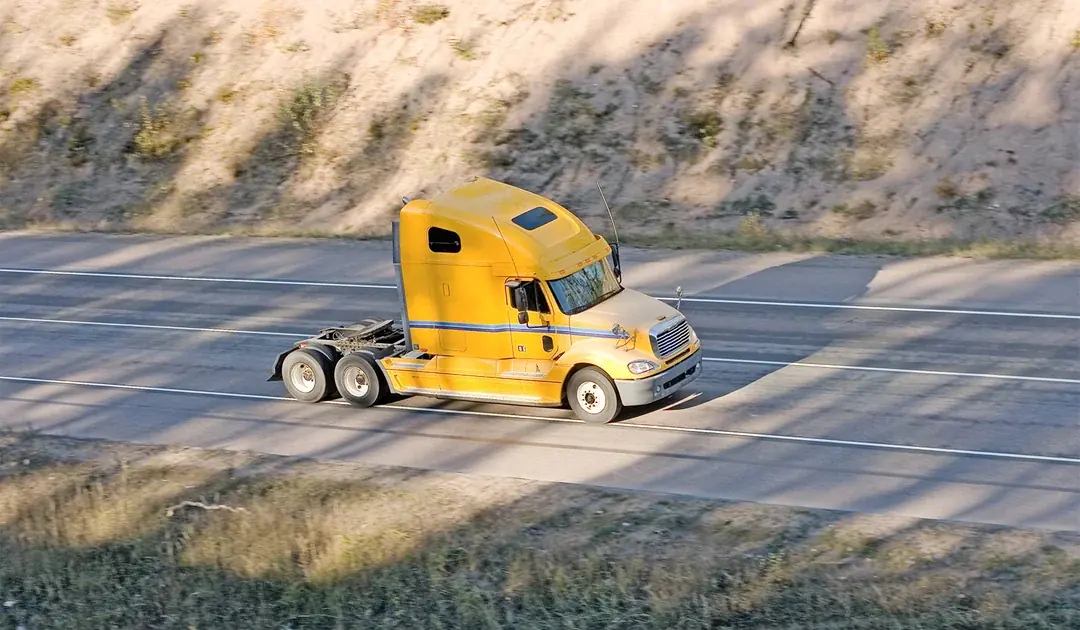
Bring the tractor. Know the trailer. Plan the next move.
Power-only work connects your tractor to a trailer supplied by someone else. The booking is only as good as the trailer plan: location, condition, interchange terms, drop instructions, and what your tractor does after delivery. We help bring those details into focus before you accept.
Trailer clarity
We check the trailer type, pickup location, availability, and handoff instructions with the broker or load contact.
Less unplanned waiting
We ask when the trailer will be ready and what happens if the exchange or drop is delayed.
A useful next position
We consider where the trailer move leaves your tractor and whether it fits your preferred lanes.
A clear process from the first conversation to delivery.
- 01
Tell us how you run
Share your equipment, current location, preferred lanes, schedule, and freight restrictions so the search starts with the right criteria.
- 02
Review the opportunity
We bring you relevant load details, discuss the rate and route, and clarify broker terms. You decide whether the load fits your business.
- 03
Keep the trip coordinated
After booking, we help track pickup and delivery information, broker updates, rate confirmations, and the paperwork needed to close the load.
The details behind a better load decision.
Trailer compatibility
We confirm the trailer type and stated requirements against the tractor setup you operate.
Pickup and drop details
Trailer location, availability, and handoff instructions are reviewed before booking.
Next move planning
We consider the destination and your preferred lanes when discussing where the move leaves your tractor.
The questions that protect the whole trip.
A promising rate is only part of the picture. These are the details we bring into the conversation for your power only operation.
Trailer custody
We ask when and where the trailer is available, who releases it, what condition records are needed, and where it must be dropped.
Written interchange terms
Insurance, damage reporting, trailer use, dwell, and drop fees should be clear in the applicable agreement before acceptance.
The tractor's next move
A good outbound move also leaves the tractor in a workable market. We consider the distance to the next trailer or load.
What helps us plan around your truck.
Tell us how you operate so we can discuss loads in the context of your equipment, schedule, and preferred lanes.
- 01Tractor setup and trailer compatibility
- 02Trailer types you are willing to move
- 03Current location and preferred lanes
- 04Availability and pickup or drop constraints
Before you get started.
Do I need to own a trailer?
Power-only work typically involves a trailer supplied by another party. The carrier still needs a compatible tractor and must review any interchange terms.
Who inspects the trailer?
The carrier and driver are responsible for the required pre-trip checks and should document the trailer's condition before taking custody.
Are no-contract loads guaranteed?
No. Contract and interchange terms vary by load and provider. Review the written agreement for each move.
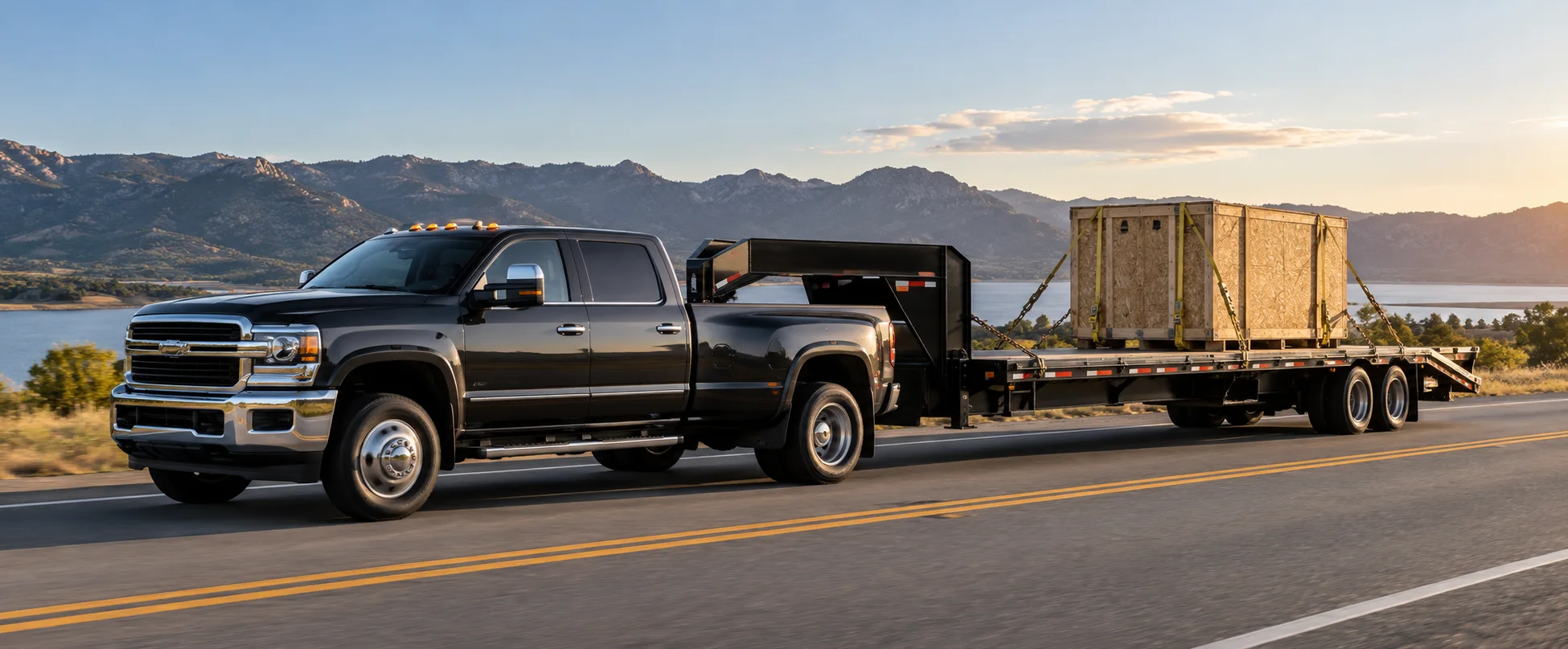
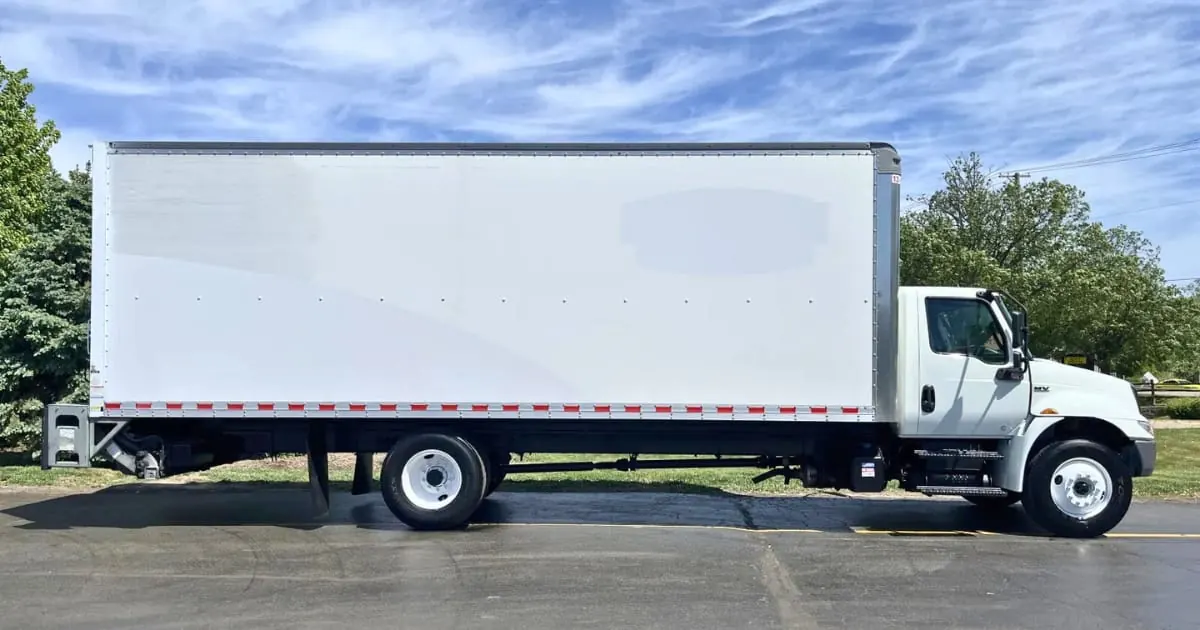
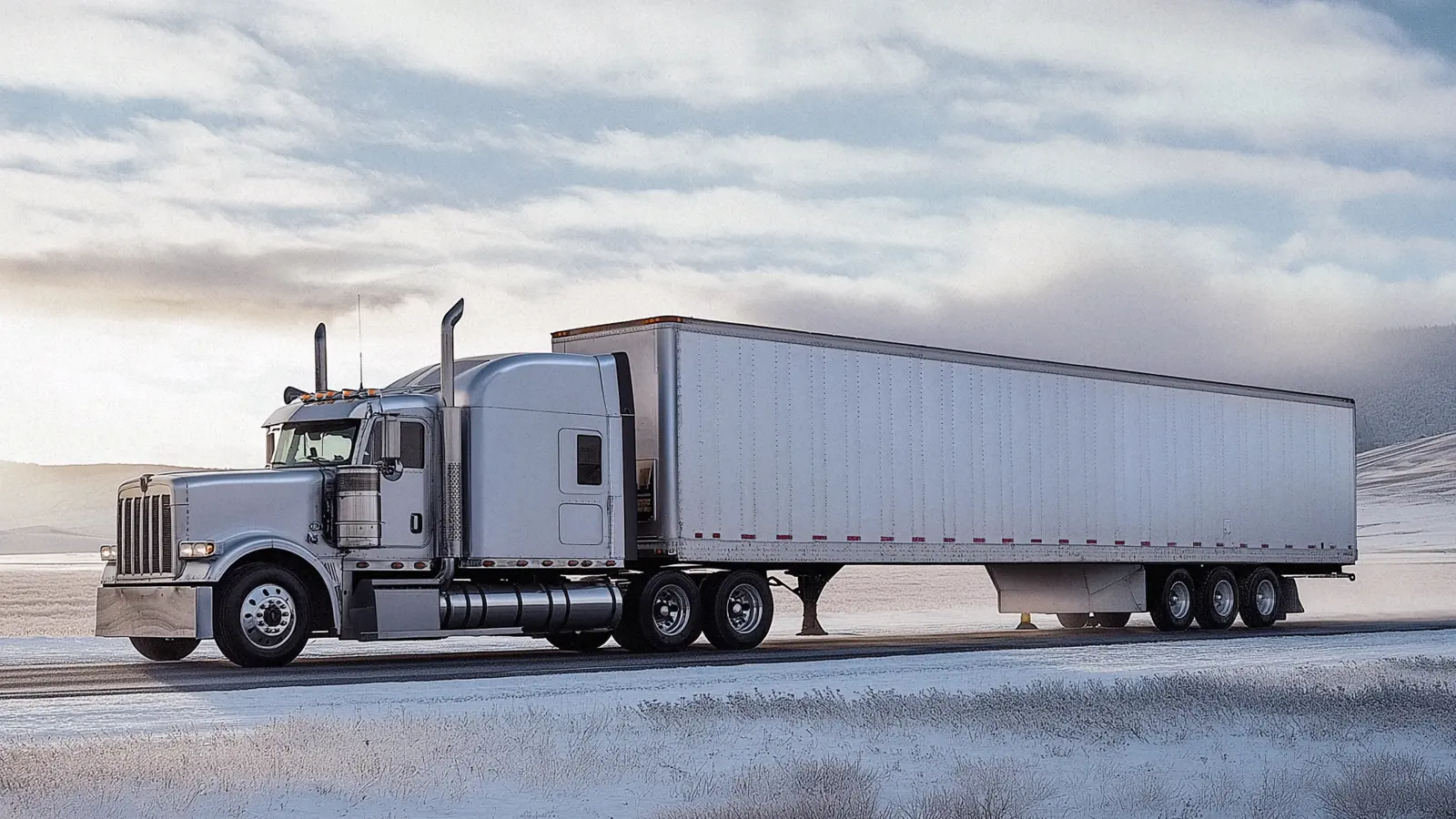
Explore other truck types.
Ready to discuss your power only operation?
Tell us about your tractor, availability, and preferred lanes. We'll discuss power only dispatch that fits your operation.